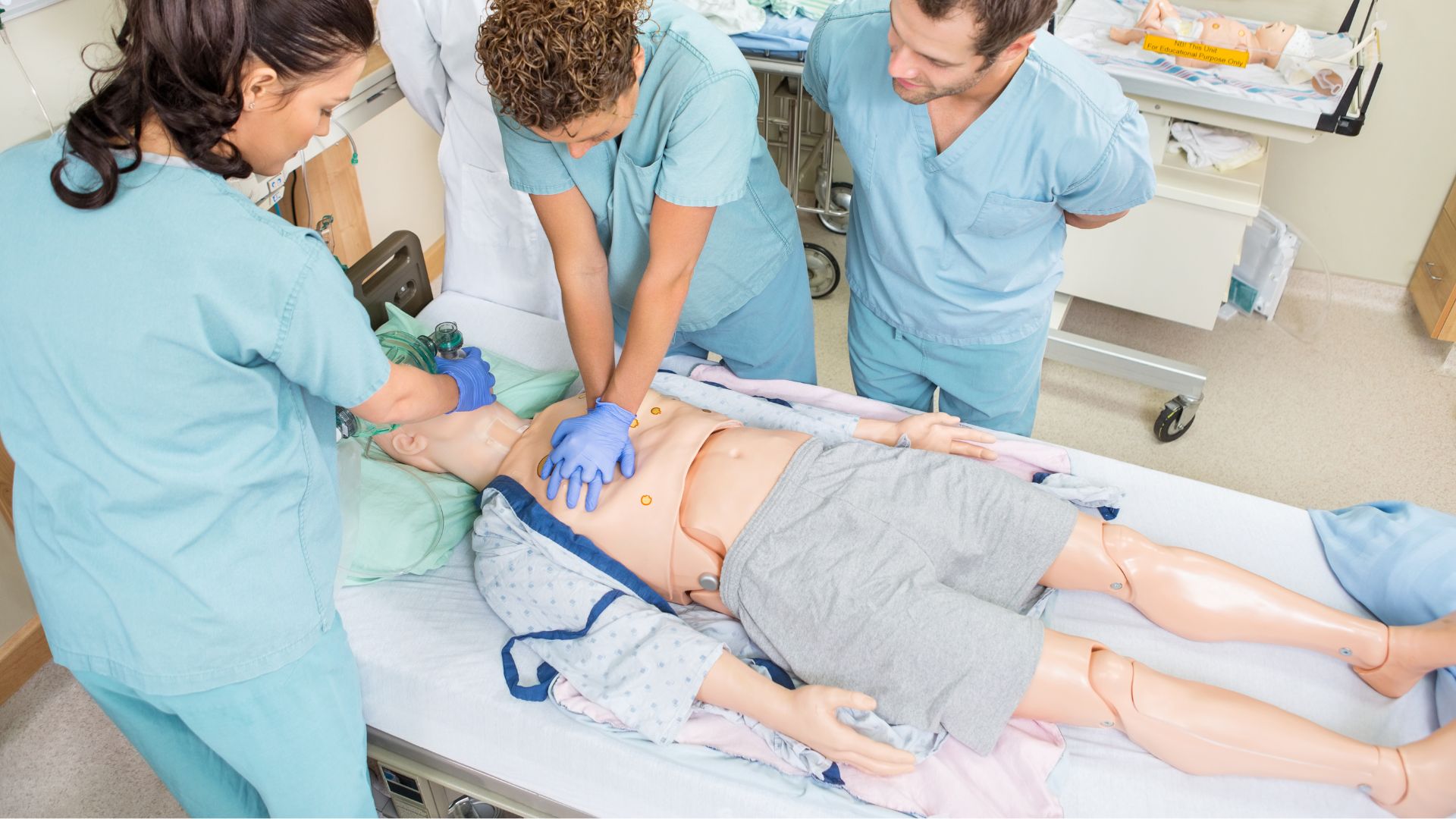
In the realm of emergency medical response, understanding the nuances between different certifications can be crucial, not only for healthcare professionals but also for individuals keen on being prepared for unexpected situations. When it comes to lifesaving skills, two certifications often come into focus: CPR and BLS. While both equip individuals with vital knowledge and skills, they cater to different needs and contexts.
As a professional or a concerned citizen, you might find yourself pondering: What is the difference between CPR and BLS certification? This question is not just academic; it could inform your decision on which certification to pursue. In the sections that follow, we will delve into the specifics of each certification, exploring their requirements, target audiences, and the skills they impart.
Whether you’re a healthcare provider, a teacher, or simply someone who wants to be prepared for emergencies, this guide will help you make an informed choice. Stay tuned as we unravel the intricacies of these certifications and guide you toward selecting the right path for your needs.
Understanding CPR Certification Basics
As we continue exploring the landscape of lifesaving certifications, let us focus on CPR Certification, a fundamental skill set for anyone interested in emergency response. CPR, or Cardiopulmonary Resuscitation, is designed to maintain vital blood flow to the heart and brain during emergencies such as cardiac arrest. This certification is often pursued by a wide range of individuals, from healthcare professionals to educators and even everyday citizens, emphasizing its accessibility and importance.
CPR Certification provides participants with the knowledge and skills necessary to perform effective chest compressions and rescue breaths, thereby increasing the chances of survival during critical situations. Unlike BLS, which we will discuss later, CPR certification is tailored for those who may not require extensive medical training but still wish to be prepared for emergencies. This makes it particularly appealing for teachers, coaches, and families seeking to ensure safety in their environments.
At CPR Certification Denver, we recognize the importance of accessible and comprehensive training. Our courses are designed to accommodate varying skill levels, ensuring that participants leave with the confidence to act decisively should an emergency arise. Whether you’re looking to fulfill workplace requirements or simply wish to be a prepared citizen, obtaining CPR certification is a crucial step toward enhancing community safety and personal readiness.
For more detailed insights into the specifics of CPR certification and how it compares to BLS, continue following our blog series. You can also visit our courses page to explore available training sessions and register for a class that suits your schedule. Empower yourself with the skills to save lives and make a meaningful impact in critical moments.
Key Components of BLS Training
Building upon our exploration of lifesaving certifications, we now turn our attention to Basic Life Support (BLS) Training, a certification that takes emergency preparedness to a more advanced level. BLS is specifically designed for healthcare professionals and those involved in emergency response, providing a comprehensive skill set that goes beyond the basic CPR techniques we previously discussed.
BLS training encompasses a range of critical components, including high-quality chest compressions, team-based rescue techniques, and the use of advanced airway devices. These elements are crucial in optimizing patient outcomes during life-threatening situations such as cardiac arrest, respiratory distress, or obstructed airways. In contrast to CPR, BLS training is more intensive and requires a deeper understanding of medical protocols and teamwork dynamics.
At CPR Certification Denver, we offer BLS courses that are meticulously designed to meet the standards set by leading health organizations. Our sessions provide hands-on practice with state-of-the-art equipment, ensuring participants gain proficiency in life-saving techniques that are essential in clinical settings. Whether you are a nurse, paramedic, or other healthcare provider, BLS certification is a valuable asset that enhances your ability to respond effectively in emergencies.
For those interested in furthering their emergency response capabilities, we encourage you to explore our BLS courses and register for a session that aligns with your professional goals. By advancing your training with BLS, you not only elevate your skills but also contribute to a safer community through your preparedness and expertise.
CPR vs BLS: Which Is Right for You?
Determining whether CPR or BLS certification is right for you involves evaluating your personal and professional needs. Both certifications offer valuable skills that enhance your ability to respond to emergencies. Here are five key considerations to help you make an informed decision:
1. Evaluate Your Role: If you’re a healthcare professional, such as a nurse or paramedic, BLS certification is typically required due to its comprehensive nature and focus on advanced lifesaving techniques. Conversely, CPR is ideal for teachers, coaches, and anyone outside the medical field seeking basic emergency response skills.
2. Consider the Depth of Training Needed: BLS certification provides in-depth training, including team-based rescue techniques and use of medical devices, making it suitable for clinical settings. CPR, however, focuses on fundamental skills like chest compressions and rescue breaths, providing a solid foundation for non-professionals.
3. Time and Commitment: CPR courses generally require less time to complete compared to the more extensive BLS training. If your schedule is tight but you still wish to gain lifesaving skills, CPR might be the more practical choice. Explore our courses page to find a session that fits your availability.
4. Workplace Requirements: Some professions mandate specific certifications. Check your workplace requirements to see if BLS or CPR is necessary. For those in healthcare, BLS is often the standard, while CPR suffices for many non-medical roles.
5. Your Personal Goals: Reflect on what you hope to achieve. If your aim is to be prepared for emergencies in everyday life, CPR certification offers a straightforward path. However, if enhancing your emergency response capabilities in professional settings is your goal, pursuing BLS is advisable. Our BLS courses are designed to align with these aspirations.
Ultimately, the choice between CPR and BLS certification depends on your unique circumstances and goals. At CPR Certification Denver, we’re committed to supporting your journey in acquiring the skills necessary to make a difference during emergencies. Whether you choose CPR or BLS, rest assured that you are taking a significant step toward community safety and personal readiness.
How CPR and BLS Certifications Impact Careers
Understanding how CPR and BLS certifications influence career trajectories is essential for professionals in the healthcare sector and beyond. These certifications not only equip individuals with lifesaving skills but also significantly enhance employability and career advancement opportunities.
For healthcare professionals, obtaining a BLS certification is often a prerequisite. It demonstrates a commitment to maintaining high standards of patient care and readiness to handle critical situations. In hospitals and clinics, BLS-certified individuals are regarded as valuable team members, capable of contributing to improved patient outcomes through their advanced skills in rescue techniques and medical protocols. This certification may also be a requirement for certain job roles, thus expanding career possibilities within the medical field.
On the other hand, CPR certification is highly beneficial for professionals in non-medical roles. Teachers, coaches, and childcare providers, for example, find that having a CPR certification enhances their credibility and trustworthiness. It signals to employers and clients that they are prepared to act swiftly and effectively in emergencies, thereby fostering a safer environment for those they are responsible for.
Moreover, for organizations, having employees certified in either CPR or BLS can lead to a reduction in workplace incidents and enhance overall safety standards. This, in turn, can result in lower insurance premiums and a more robust safety culture. At CPR Certification Denver, we offer tailored training programs designed to meet the specific needs of various industries, ensuring that professionals are well-equipped to make a meaningful impact in their respective fields.
In conclusion, whether you pursue CPR or BLS certification, the skills and confidence gained through these programs can significantly impact your career. They offer not just personal fulfillment but also professional growth and recognition. To explore our course offerings and align your training with your career goals, visit our courses page. Empower yourself with the ability to save lives and advance your professional journey.
Top CPR and BLS Certifications In Denver
In navigating the world of lifesaving certifications, understanding the differences between CPR and BLS is pivotal. CPR Certification, accessible to all, empowers individuals with essential skills in handling emergencies through effective chest compressions and rescue breaths. It is ideal for teachers, coaches, and those committed to community safety. Meanwhile, BLS Certification provides a deeper dive into emergency medical response, necessary for healthcare professionals, enhancing their capabilities with advanced techniques and teamwork skills critical in clinical settings.
Choosing between these certifications requires an evaluation of your professional needs and personal goals. While CPR serves as a fundamental step for non-medical professionals, BLS is tailored for those within the healthcare sector, offering greater career advancement opportunities and bolstering patient care standards. Both certifications contribute significantly to workplace safety and personal readiness, ensuring you are prepared to make a life-saving impact when it matters most.
At CPR Certification Denver, we are dedicated to equipping you with the skills and confidence needed to excel in any emergency. Whether you’re pursuing CPR or BLS, our comprehensive courses are designed to meet your specific needs and schedule. Explore our courses today and take the next step in your professional journey. Empower yourself and contribute to a safer community through these invaluable certifications.
Frequently Asked Questions
What is the difference between CPR and BLS certification?
CPR certification is designed for individuals who want to acquire basic lifesaving skills to maintain vital blood flow during emergencies like cardiac arrest. It is suitable for non-medical professionals such as teachers and coaches. In contrast, BLS certification is more comprehensive, targeting healthcare professionals and those involved in emergency response. BLS includes advanced techniques such as team-based rescue and the use of airway devices. While CPR focuses on fundamental skills like chest compressions and rescue breaths, BLS requires a deeper understanding of medical protocols.
How do I know if I need CPR or BLS certification for my job?
To determine if you need CPR or BLS certification for your job, consider your role and workplace requirements. If you are a healthcare professional, BLS is often required due to its advanced nature. Non-medical roles such as educators or childcare providers typically require CPR certification. Check your employer’s or industry’s specific requirements. If your role involves direct patient care or emergency response, BLS is likely necessary. For those in non-clinical settings seeking basic emergency preparedness, CPR is usually sufficient.
Why is BLS certification important for healthcare professionals?
BLS certification is crucial for healthcare professionals as it ensures they are equipped with advanced lifesaving skills necessary for handling critical situations. It covers high-quality chest compressions, team-based techniques, and the use of advanced airway devices, which are vital for optimizing patient outcomes during emergencies like cardiac arrest or respiratory distress. BLS certification demonstrates a commitment to high standards of patient care and is often a prerequisite for certain healthcare roles, enhancing employability and professional credibility.
When should someone renew their CPR or BLS certification?
Renewal of CPR or BLS certification is typically required every two years. This ensures individuals maintain proficiency in lifesaving techniques and stay updated with any changes in medical guidelines. Regular renewal is crucial for healthcare professionals to continue meeting industry standards and for non-medical individuals to remain prepared for emergencies. Check with your certification provider for specific renewal timelines and requirements. Consistent renewal not only enhances personal readiness but also contributes to community safety