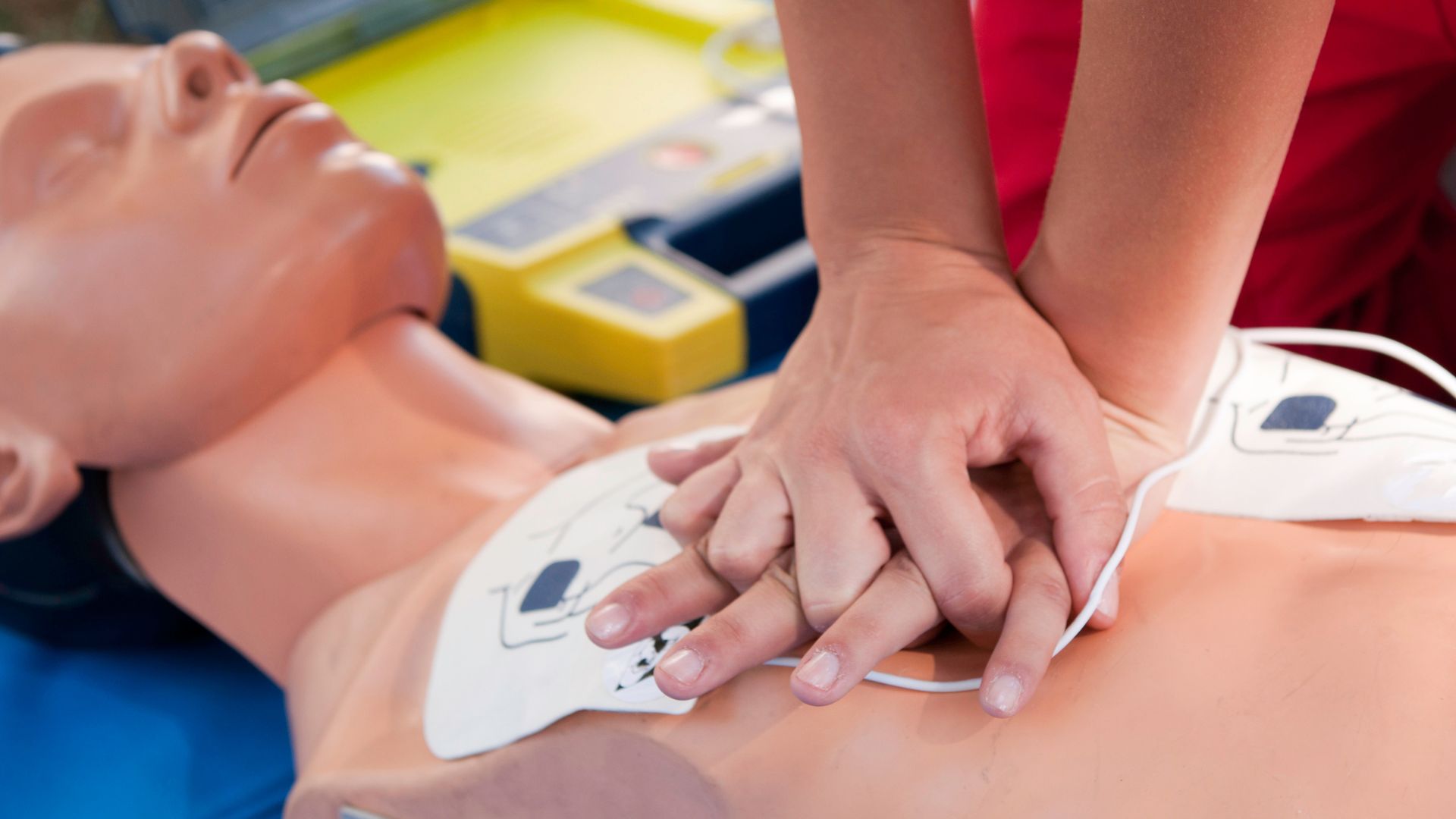
In the critical moments following a medical emergency like a stroke or cardiac arrest, the actions taken can mean the difference between life and death. The importance of immediate response cannot be overstated, particularly when it comes to preserving brain health. Understanding the signs and knowing the appropriate steps, such as administering CPR swiftly, can significantly impact recovery outcomes. This blog post will delve into the crucial role of quick intervention and how it can safeguard your health and well-being.
As we explore the interconnectedness of CPR and stroke management, you will gain insights into the best practices and preventative measures that can make a profound difference. From recognizing the subtle symptoms of a stroke to understanding when and how to administer CPR, the following sections will provide you with the knowledge you need to act with confidence. Learn more about stroke symptoms and discover how you can be prepared for such emergencies.
Understanding CPR Techniques for Stroke
Understanding CPR techniques in the context of a stroke scenario is critical for ensuring effective and timely intervention. The knowledge gained here will enhance your ability to respond confidently, potentially altering the course of recovery for someone experiencing a stroke. Below, we delve into five key techniques and considerations to keep in mind when administering CPR during such medical emergencies.
- Recognize the Symptoms: The first step in effective intervention is recognizing the subtle symptoms of a stroke, such as sudden confusion or difficulty speaking. As previously mentioned, early detection is crucial. Familiarize yourself with these signs to act swiftly. For more detailed information on stroke symptoms, visit the American Stroke Association.
- Ensure Safety First: Before administering CPR, ensure the environment is safe for both the victim and yourself. Assess the area for potential hazards and move the individual to a safer location if necessary.
- Perform CPR with Confidence: The core of effective CPR lies in maintaining the rhythm and depth of compressions. Remember, proper technique can significantly improve outcomes. Consider taking a certified course, such as those offered by CPR Certification Denver, to hone your skills.
- Call for Professional Help: While administering CPR is vital, it is equally important to have emergency medical services on the way. Dial 911 as soon as possible to ensure professional care is imminent.
- Stay Informed and Updated: Regularly update your CPR knowledge and skills to stay prepared for emergencies. Engaging in refresher courses will keep your techniques sharp and ensure you’re ready to make a positive impact when it counts the most.
By understanding these CPR techniques in the context of stroke management, you empower yourself to act effectively when every second is crucial. This preparedness not only aids in recovery but also reinforces the importance of immediate response in safeguarding brain health.
Recognizing Stroke Symptoms Early On
Recognizing stroke symptoms early on is a vital component of effective emergency response, particularly when time is of the essence in preserving brain health. As discussed earlier, immediate action can significantly enhance recovery outcomes. Being able to identify the early signs of a stroke empowers you to act swiftly and confidently, potentially altering the course of a medical emergency.
One of the most commonly overlooked aspects of stroke management is the subtlety of its initial symptoms. Sudden confusion, difficulty speaking, or numbness in the face, arm, or leg,especially on one side of the body,are all indicators of a potential stroke. Familiarizing yourself with these signs is crucial. For further details on stroke symptoms, you might find the resources at the American Stroke Association invaluable.
It’s also important to remember that time lost is brain lost. Acting promptly by calling emergency services while simultaneously preparing to administer CPR can make a significant difference. As previously noted, ensuring your CPR skills are up-to-date is essential. Regularly participating in refresher courses, like those offered by CPR Certification Denver, can boost your confidence and effectiveness in these critical situations.
In integrating the knowledge of recognizing stroke symptoms with proficient CPR techniques, you not only safeguard brain health but also contribute to a higher likelihood of recovery. Staying informed and prepared is a proactive way to protect both yourself and others in your community, emphasizing the importance of immediate response in medical emergencies.
Steps for Effective CPR During Stroke
Understanding the steps for effective CPR during a stroke can be a life-saving skill, complementing the knowledge we’ve previously discussed. In this section, we outline five essential steps to ensure you are prepared to act decisively in such emergencies.
- Quick Assessment: Immediately assess the situation upon suspecting a stroke. Look for sudden symptoms such as facial drooping or speech difficulties. As emphasized earlier, recognizing these early signs is crucial to ensure timely intervention.
- Activate Emergency Services: Dial 911 as soon as possible. While waiting for professional help, your role is to provide immediate care. This step cannot be overstated, as professional medical intervention is paramount to recovery.
- Positioning for CPR: If the individual becomes unresponsive, lay them on a firm, flat surface. This positioning is essential for effective CPR, allowing you to perform chest compressions with the proper depth and rhythm.
- Perform High-Quality CPR: Administer chest compressions at a rate of 100-120 per minute, ensuring each compression is about 2 inches deep. Maintain consistency and confidence in your technique, as highlighted in our previous discussions about CPR proficiency.
- Continuous Monitoring: While performing CPR, continuously monitor the individual’s condition. Should they show signs of recovery, such as regaining consciousness, stop compressions and wait for emergency services to arrive. Your attentiveness can make a critical difference.
By integrating these steps into your emergency response plan, you enhance your ability to provide effective care during a stroke. This preparedness not only supports the immediate needs of the individual but also reinforces the broader theme of safeguarding brain health through prompt action. To further hone your skills, consider engaging with resources from CPR Certification Denver, where you can access comprehensive training programs tailored to these critical scenarios.
Preventing Brain Damage with Swift Actions
Preventing brain damage with swift actions is the culmination of all we’ve explored in our previous sections about stroke management and CPR techniques. The importance of a prompt response cannot be overstated, as the timely administration of CPR can dramatically reduce the risk of long-term brain damage during a stroke.
When faced with the critical signs of a stroke, such as sudden numbness or confusion, your ability to act swiftly can be the turning point. As we have underscored throughout, recognizing these early symptoms is your first line of defense. By doing so, you set the stage for immediate action, which is vital to preserving brain function.
Once symptoms are identified, the next step is to ensure professional help is en route. Calling 911 should always be a priority, as emergency medical services are equipped to provide advanced care crucial for recovery. In the interim, your role in administering CPR is indispensable. Performing CPR with confidence, as discussed, not only supports circulation but also maintains oxygen flow to the brain, minimizing potential damage.
Furthermore, staying informed and regularly updating your CPR skills are proactive measures that empower you to make a meaningful impact during emergencies. Engaging in courses offered by CPR Certification Denver can significantly sharpen your abilities, ensuring you’re prepared to intervene effectively when seconds count.
Ultimately, the integration of rapid response and proficient CPR techniques creates a robust defense against the detrimental effects of a stroke. By remaining vigilant and prepared, you uphold the broader commitment to safeguarding brain health and enhancing recovery prospects, reinforcing the critical link between immediate action and long-term well-being.
Final Thoughts On CPR Certification
The ability to swiftly recognize stroke symptoms and administer effective CPR is crucial in safeguarding brain health and improving recovery outcomes. Each section of this blog post has emphasized the importance of immediate action, from understanding CPR techniques to recognizing the subtle signs of a stroke. By acting quickly and confidently, you can dramatically reduce the risk of long-term damage, making a profound difference in a medical emergency.
To ensure you are fully prepared, staying informed and regularly updating your skills is essential. Engaging with resources and training programs, such as those offered by CPR Certification Denver, can enhance your proficiency and confidence. We encourage you to take the next step by enrolling in a certified CPR course or a refresher class to keep your techniques sharp and effective.
Remember, every second counts in a stroke emergency. By equipping yourself with the knowledge and skills to respond promptly, you not only protect those around you but also contribute to a broader commitment to public health and safety. Take action today and be prepared to make a life-saving difference when it matters most.
Frequently Asked Questions
What is the connection between CPR and stroke management?
The connection between CPR and stroke management lies in the critical role of immediate response in preserving brain health. While CPR is traditionally associated with cardiac arrest, its application in stroke scenarios can be equally pivotal. Recognizing stroke symptoms early and administering CPR can maintain oxygen flow to the brain, potentially reducing the risk of severe brain damage. The blog emphasizes the importance of integrating CPR techniques with stroke management to enhance recovery outcomes and safeguard well-being.
How does CPR support brain health during a stroke emergency?
CPR supports brain health during a stroke emergency by ensuring continuous circulation and oxygenation when the brain’s blood flow is compromised. During a stroke, timely CPR can help maintain the oxygen supply to the brain, thereby minimizing potential damage. The blog highlights the significance of performing CPR with proper technique and rhythm, which can dramatically influence recovery prospects and prevent long-term brain damage, underscoring the vital connection between immediate intervention and brain health preservation.
Why is immediate action crucial when dealing with a stroke?
Immediate action is crucial when dealing with a stroke because time is a critical factor in preventing long-term damage. The blog stresses that “time lost is brain lost,” highlighting that swift recognition of symptoms and prompt initiation of emergency protocols, including CPR, can significantly enhance recovery outcomes. Calling emergency services and administering CPR while waiting for professional help are vital steps to ensure the best possible prognosis, emphasizing the importance of rapid response in stroke management.
How can businesses ensure employees are prepared for stroke emergencies?
Businesses can ensure employees are prepared for stroke emergencies by providing training on recognizing stroke symptoms and administering CPR. Encouraging participation in certified CPR courses, such as those offered by CPR Certification Denver, can equip employees with the necessary skills to respond effectively. Additionally, businesses should promote regular refresher courses to keep skills updated, creating a workplace culture that prioritizes health and safety. This proactive approach ensures that employees are ready to act swiftly and confidently in emergencies, safeguarding both individual and organizational well-being.