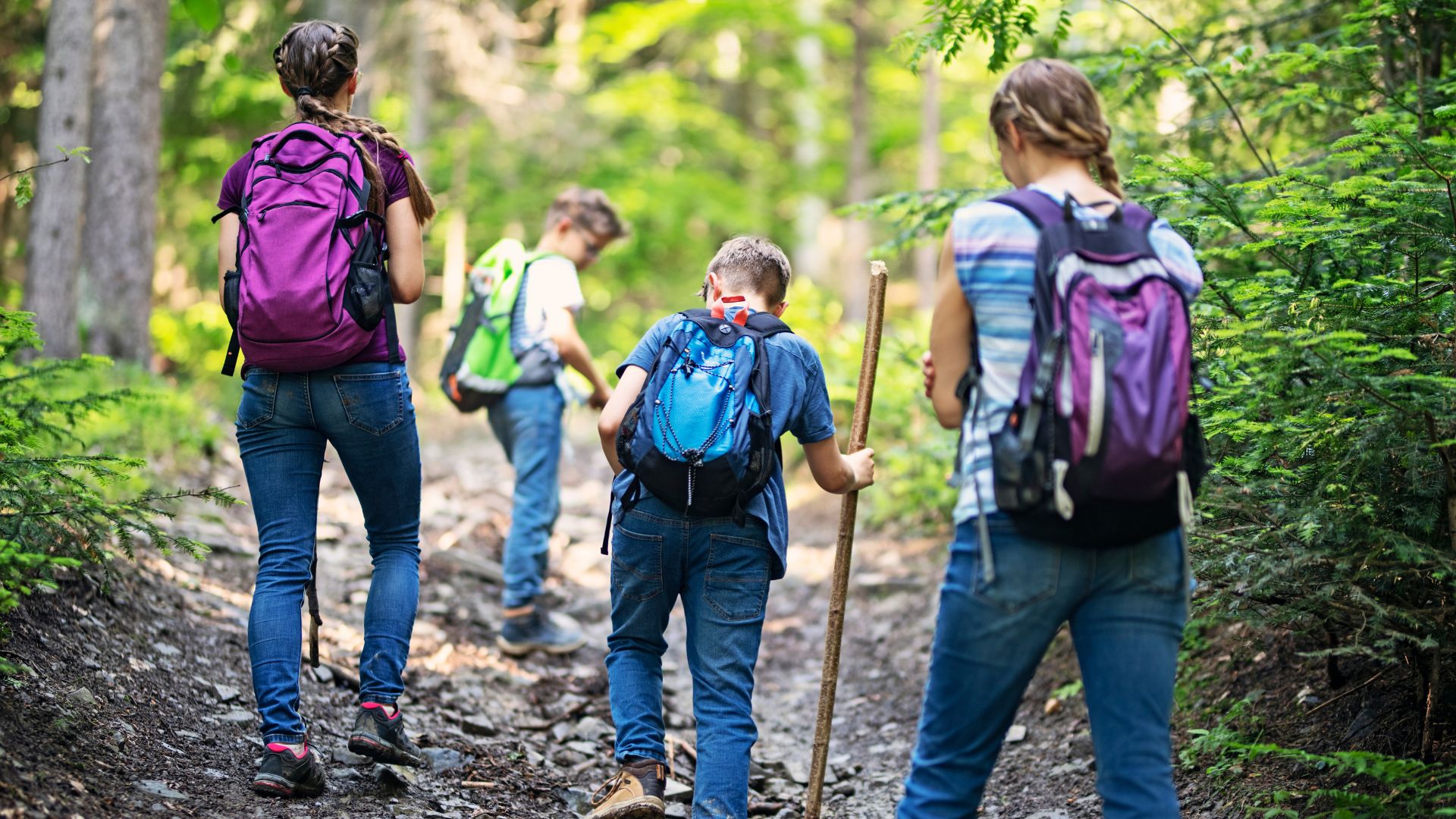
Denver’s location at the foot of the Rocky Mountains makes it one of the best places in the country for outdoor adventure. From nearby trails and foothill hikes to challenging mountain climbs, thousands of residents and visitors head outdoors every week to enjoy Colorado’s incredible scenery. Hiking offers outstanding physical and mental health benefits, but it also comes with risks that can quickly turn an enjoyable day into a medical emergency.
Slips and falls, dehydration, altitude sickness, allergic reactions, wildlife encounters, and sudden cardiac emergencies can happen far from immediate medical assistance. In many cases, hikers may have to rely on their own knowledge and the help of those around them until rescue teams arrive. Through CPR Certification, Denver hikers can gain the hands-on skills needed to provide CPR, administer basic First Aid, and respond confidently during unexpected emergencies.
Learning these life-saving skills is not about expecting something bad to happen. It is about being prepared to protect yourself, your hiking partners, and even complete strangers when every minute matters.
Hiking Emergencies Can Happen Without Warning
Even experienced hikers can encounter dangerous situations on the trail.
Some of the most common hiking emergencies include:
- Slips and falls
- Sprained ankles
- Broken bones
- Dehydration
- Heat exhaustion
- Altitude sickness
- Cardiac emergencies
- Severe allergic reactions
Trail conditions can change quickly due to weather, loose terrain, or unexpected obstacles.
Being prepared with CPR and First Aid knowledge helps hikers respond calmly until professional help arrives.
Distance From Medical Care Makes Preparation Important
Unlike emergencies that happen in cities or neighborhoods, hiking accidents often occur miles from the nearest road or emergency responder.
Remote locations may involve:
- Limited cell service
- Difficult terrain
- Delayed rescue access
- Long evacuation times
Even when 911 can be reached, emergency crews may require additional time to locate and access an injured hiker.
Knowing how to provide immediate care can help stabilize the victim while waiting for rescue personnel.
Cardiac Emergencies Can Affect Anyone
Many people associate sudden cardiac arrest with older adults or individuals with known heart conditions, but cardiac emergencies can affect hikers of all ages.
Potential contributing factors include:
- Undiagnosed heart conditions
- Extreme physical exertion
- High altitude
- Heat stress
- Dehydration
Sudden cardiac arrest occurs when the heart unexpectedly stops pumping blood effectively.
Without immediate CPR:
- Blood flow to the brain stops.
- Oxygen delivery ceases.
- Survival chances decrease rapidly.
The American Heart Association emphasizes that immediate bystander CPR can significantly improve survival outcomes following sudden cardiac arrest. American Heart Association
Denver’s Elevation Creates Unique Challenges
Denver sits at an elevation of approximately 5,280 feet, and many nearby hiking trails climb much higher.
Visitors and new residents may experience altitude-related symptoms such as:
- Headaches
- Nausea
- Fatigue
- Dizziness
- Shortness of breath
More serious altitude illnesses can progress into medical emergencies if left untreated.
First Aid training helps hikers recognize early warning signs and understand when it is necessary to descend or seek emergency assistance.
Falls Are Among the Most Common Trail Injuries
Rocky terrain, uneven paths, and loose gravel increase the risk of falls during hikes.
Common injuries include:
- Cuts and scrapes
- Sprains
- Fractures
- Head injuries
- Shoulder injuries
Basic First Aid training teaches hikers how to:
- Control bleeding
- Immobilize injured limbs
- Clean minor wounds
- Monitor for signs of shock
These simple interventions can help prevent additional complications until advanced medical care becomes available.
Dehydration and Heat Illness Can Develop Quickly
Colorado’s dry climate can cause hikers to lose fluids more rapidly than they realize.
Signs of dehydration may include:
- Excessive thirst
- Dry mouth
- Weakness
- Dizziness
- Dark-colored urine
More severe heat-related illnesses may involve:
- Confusion
- Rapid pulse
- Fainting
- Loss of consciousness
First Aid training helps hikers recognize these symptoms and provide appropriate care before conditions worsen.
Allergic Reactions Can Become Life-Threatening
Outdoor environments expose hikers to a variety of allergens.
Potential triggers include:
- Bee stings
- Wasp stings
- Certain plants
- Food allergies
- Insect bites
A severe allergic reaction may cause:
- Difficulty breathing
- Swelling of the throat
- Hives
- Dizziness
- Loss of consciousness
Combined CPR and First Aid training helps hikers recognize anaphylaxis and understand the importance of activating emergency medical services immediately.
Wildlife Encounters Can Lead to Injuries
Although wildlife encounters are relatively uncommon, Denver-area hikers may come across animals such as:
- Snakes
- Elk
- Moose
- Mountain lions
- Bears
Injuries may result from bites, falls during evasive actions, or accidental contact.
First Aid knowledge helps hikers manage wounds and remain calm while seeking professional assistance.
CPR and AED Skills Work Together
Automated External Defibrillators are becoming increasingly available at trailheads, visitor centers, and parks.
CPR classes often include instruction on:
- Turning on an AED
- Applying electrode pads
- Following voice prompts
- Continuing CPR after defibrillation
Quick CPR combined with early AED use offers one of the strongest opportunities for survival during sudden cardiac arrest.
Training through CPR Certification helps hikers become familiar with this life-saving equipment before an emergency occurs.
Hiking With Children Requires Additional Preparation
Many Denver families enjoy introducing children to the outdoors at an early age.
Young hikers may experience:
- Falls
- Choking incidents
- Allergic reactions
- Dehydration
- Heat exhaustion
Parents and grandparents who know CPR and First Aid often feel more confident taking children on outdoor adventures.
Prepared adults help create safer experiences for the entire family.
Hands-On Training Builds Confidence
One of the biggest barriers to helping during an emergency is uncertainty.
Many people worry they might:
- Make a mistake
- Hurt the victim
- Forget what to do
- Panic under pressure
Hands-on classes allow participants to repeatedly practice:
- Chest compressions
- Rescue breathing
- Choking response
- Bleeding control
- Emergency assessments
This practical experience helps build muscle memory and confidence that can be invaluable during real emergencies.
Hiking Partners Depend on One Another
Many people hike with friends, family members, or organized groups.
When emergencies happen on the trail, hiking partners are often the first people available to help.
Learning CPR and First Aid allows hikers to:
- Assess injuries
- Provide immediate care
- Support the victim emotionally
- Communicate effectively with rescuers
Being prepared helps strengthen the entire hiking community.
First Aid Goes Beyond Major Emergencies
Not every trail incident involves a life-threatening condition.
First Aid skills are also useful for treating:
- Blisters
- Minor cuts
- Burns
- Insect bites
- Muscle strains
- Nosebleeds
These smaller issues may seem minor but can quickly end a hike if not managed properly.
Knowing basic First Aid helps hikers stay safer and more comfortable outdoors.
CPR Skills Extend Beyond the Trail
Although many people take CPR classes because they enjoy hiking, the skills become valuable in many other settings.
CPR-trained individuals may one day assist:
- Family members
- Coworkers
- Friends
- Neighbors
- Complete strangers
Many cardiac emergencies happen at home, making CPR training a valuable investment for everyday life as well.
Practical Training Makes a Difference
Watching online videos can introduce CPR concepts, but hands-on practice creates much stronger preparedness.
Students in practical courses learn how to:
- Perform effective compressions
- Deliver rescue breaths
- Use an AED
- Control bleeding
- Respond to choking emergencies
Programs through CPR Certification provide realistic training scenarios that help participants feel ready to respond when emergencies occur.
Outdoor Preparedness Protects the Entire Community
As more Denver residents complete CPR and First Aid training, the outdoor community becomes stronger and safer.
Prepared hikers help create:
- Safer trails
- More confident hiking groups
- Better emergency response
- Greater community resilience
A few hours of training can equip someone with skills that may one day save a life.
Final Thoughts About Combined CPR & First Aid Training for Denver Hikers
Denver’s incredible outdoor opportunities attract hikers of every experience level, but nature can be unpredictable. Falls, dehydration, altitude sickness, allergic reactions, and sudden cardiac emergencies can happen without warning, often far from immediate medical assistance.
Through CPR Certification, Denver hikers can gain the practical skills and confidence needed to provide CPR, administer First Aid, and respond effectively during emergencies on the trail. Whether helping a family member, a hiking partner, or a complete stranger, these life-saving abilities make outdoor adventures safer for everyone.
Preparing for the unexpected allows you to spend more time enjoying Colorado’s beautiful trails with confidence and peace of mind.
Frequently Asked Questions About Combined CPR & First Aid Training for Denver Hikers
Why should hikers learn CPR and First Aid?
Hiking emergencies often happen far from immediate medical care, making bystander assistance especially important.
Can healthy hikers experience cardiac emergencies?
Yes. Undiagnosed heart conditions, altitude, dehydration, and intense physical activity can contribute to sudden cardiac events.
What are common hiking injuries?
Falls, sprains, cuts, fractures, dehydration, altitude sickness, and allergic reactions are among the most common trail emergencies.
Does CPR training include AED instruction?
Yes. Most comprehensive CPR courses include hands-on training for using an Automated External Defibrillator.
Why is altitude sickness a concern near Denver?
Higher elevations can affect oxygen levels and may cause headaches, nausea, dizziness, and more serious medical problems.
Is First Aid useful for minor trail injuries?
Absolutely. First Aid skills help manage cuts, blisters, insect bites, burns, and other common hiking injuries.
Can CPR and First Aid training help families who hike together?
Yes. Parents and grandparents often feel more confident taking children outdoors after learning these emergency response skills.
How long does CPR certification typically last?
Most CPR certifications remain valid for two years before renewal is recommended or required.