Denver is known as the Mile High City, sitting over 5,000 feet above sea level. For many residents and especially visitors, this elevation can have a real physical impact. While most people think of minor symptoms like headaches or fatigue, altitude sickness can quickly escalate into serious medical emergencies.
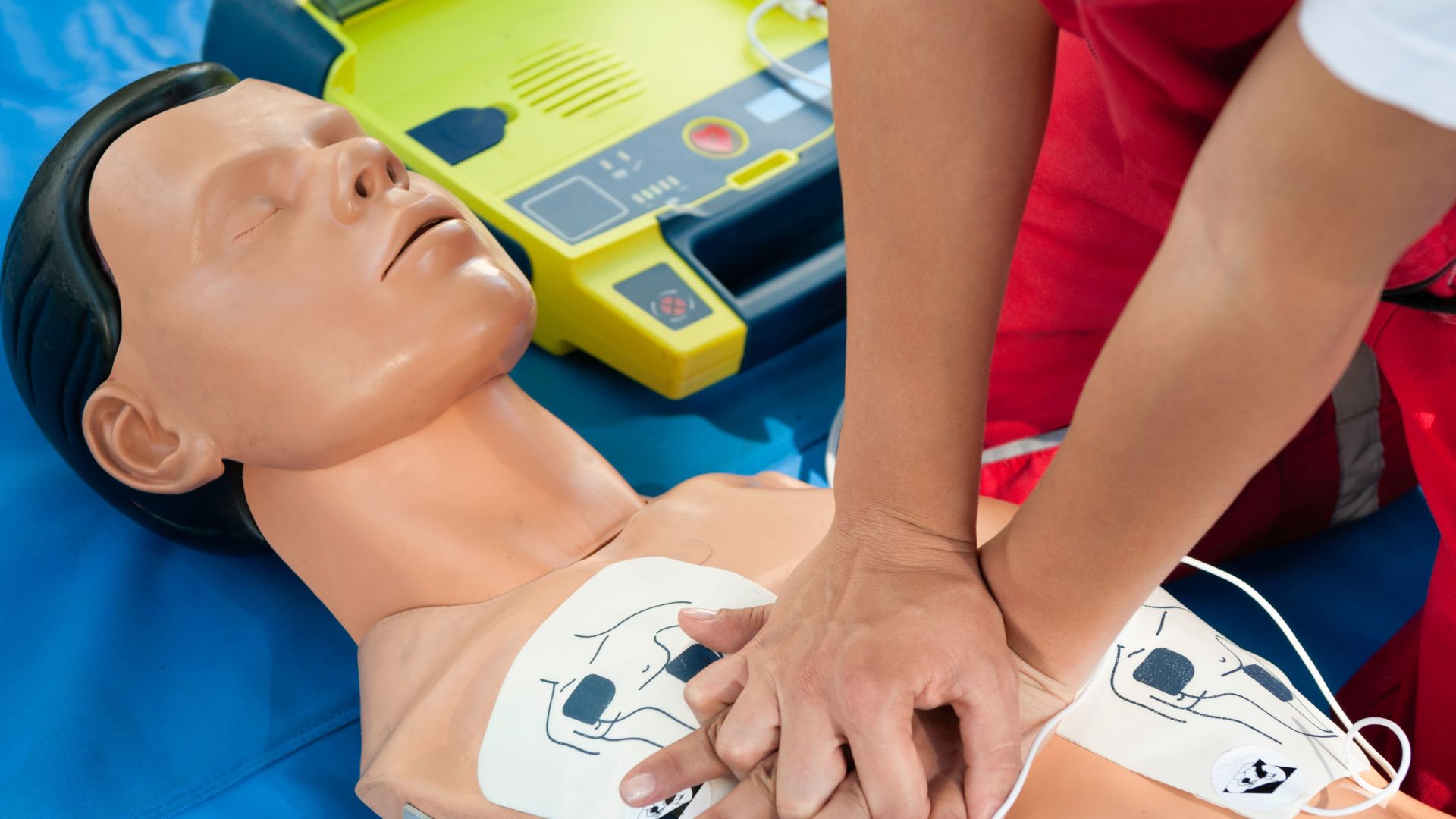
That is why understanding both first aid and CPR is critical in Denver. Emergencies at high altitude often involve breathing complications, oxygen deprivation, or even cardiac stress. Enrolling in an in-person CPR Certification course ensures you are prepared to recognize symptoms early and take action when it matters most.
What Is Altitude Sickness and Why It Happens
Altitude sickness occurs when your body does not get enough oxygen due to lower air pressure at higher elevations.
When you move quickly from a lower elevation to a higher one, your body has less time to adjust. This can lead to symptoms ranging from mild discomfort to life-threatening conditions.
In Denver and surrounding areas, altitude sickness can affect:
- Visitors arriving from sea level
- Individuals exercising too soon after arrival
- Even healthy and active people
Physical fitness does not prevent altitude sickness, which is why awareness is so important.
Common Symptoms You Should Never Ignore
Altitude sickness often starts with mild symptoms, but they can worsen quickly if not addressed.
Early symptoms include:
- Headache
- Dizziness
- Fatigue
- Nausea or vomiting
More serious symptoms may include:
- Shortness of breath or difficulty breathing
- Confusion or lack of coordination
- Chest tightness or persistent coughing
Severe cases, such as high-altitude pulmonary edema (HAPE) or cerebral edema, can become life-threatening if not treated immediately.
Recognizing the progression from mild to severe symptoms is one of the most important first aid skills you can have in Denver.
Why Altitude Emergencies Are Different
Altitude-related emergencies are unique because they often involve oxygen deprivation rather than direct injury.
This can lead to:
- Breathing difficulties
- Reduced oxygen levels in the blood
- Increased strain on the heart
In severe cases, a person may become unresponsive or stop breathing, which is where CPR becomes critical.
Unlike typical emergencies, altitude sickness can worsen gradually and then escalate suddenly, making early intervention essential.
First Aid for Altitude Sickness
Knowing how to respond to early symptoms can prevent a mild case from becoming severe.
If someone shows signs of altitude sickness:
- Have them rest and avoid exertion
- Encourage hydration
- Monitor symptoms closely
If symptoms persist or worsen, the most effective treatment is to descend to a lower altitude as soon as possible.
Additional first aid steps may include:
- Providing oxygen if available
- Keeping the person calm and still
- Seeking medical attention if symptoms escalate
Even mild symptoms should be taken seriously, especially in high-altitude environments.
When Altitude Sickness Becomes a Medical Emergency
There is a point where altitude sickness is no longer mild and requires immediate emergency care.
Call for help or seek emergency care if someone:
- Becomes confused or disoriented
- Has trouble breathing at rest
- Cannot walk or maintain balance
- Loses consciousness
At this stage, first aid alone is not enough. However, CPR and life-saving skills may be necessary if the person stops breathing.
Why CPR Skills Are Critical in High Altitude Situations
Altitude sickness can lead to severe oxygen deprivation, which affects both the brain and heart.
In extreme cases:
- Breathing may stop
- The heart may struggle to function properly
- The person may become unresponsive
CPR helps maintain blood flow and oxygen to vital organs until emergency responders arrive.
In a city like Denver, where outdoor activities and elevation changes are common, having CPR-trained individuals nearby can make a life-saving difference.
The Link Between Breathing Emergencies and CPR
Unlike many cardiac emergencies, altitude-related incidents often begin with breathing problems.
This means:
- Rescue breathing may be especially important
- Maintaining oxygen flow is critical
- Early intervention can prevent cardiac arrest
CPR training teaches you how to:
- Recognize when breathing has stopped
- Provide rescue breaths
- Perform chest compressions effectively
These skills are essential in high-altitude environments.
Why Hands-On Training Is Essential
Reading about altitude sickness or CPR is not enough. These are skills that must be practiced.
In-person training allows you to:
- Practice real-life emergency scenarios
- Learn proper technique and timing
- Receive immediate feedback from instructors
This builds muscle memory, which is critical in high-stress situations.
Choosing an in-person CPR Certification course ensures you are ready to act quickly and confidently.
Preventing Altitude Sickness in Denver
While training prepares you for emergencies, prevention is equally important.
Experts recommend:
- Staying hydrated
- Avoiding alcohol during the first few days
- Limiting physical exertion initially
- Allowing time to acclimate to elevation
Your body typically needs 24 to 36 hours to adjust to higher altitude, making rest and gradual activity essential.
Understanding prevention reduces risk, but it does not eliminate the need for emergency preparedness.
Why Denver’s Environment Increases Risk
Denver’s elevation is only part of the challenge. The surrounding region includes even higher altitudes, where symptoms can worsen quickly.
Factors that increase risk include:
- Traveling from sea level to high altitude in a short time
- Engaging in physical activity too soon
- Dehydration due to dry air
These conditions make it more likely that individuals will experience altitude-related symptoms.
Who Should Learn CPR and First Aid in Denver
CPR and first aid training are valuable for anyone in Denver, but certain groups benefit even more.
This includes:
- Outdoor enthusiasts and hikers
- Fitness trainers and coaches
- Hospitality and tourism workers
These individuals are more likely to encounter altitude-related emergencies.
The Importance of Acting Quickly
Altitude sickness can escalate rapidly, especially in higher elevations. Acting quickly can prevent serious complications.
Immediate action helps:
- Stabilize the person
- Prevent symptoms from worsening
- Improve chances of recovery
Delays, even short ones, can significantly increase risk.
Building Confidence in Emergency Situations
One of the biggest challenges in emergencies is hesitation. Many people know what to do but are unsure about acting.
Training builds confidence by:
- Providing hands-on experience
- Reinforcing correct techniques
- Preparing you for real-world scenarios
Confidence is what allows you to take action when every second counts.
Why Combined Training Matters
CPR and first aid are often taught separately, but in high-altitude environments, they work together.
First aid helps you:
- Recognize symptoms early
- Provide initial care
CPR helps you:
- Respond to severe emergencies
- Maintain oxygen flow when breathing stops
Together, these skills provide a complete response to altitude-related emergencies.
The Long-Term Value of CPR and First Aid Training
These skills are not limited to altitude sickness. They apply to a wide range of emergencies, both in Denver and beyond.
Training provides:
- Life-saving abilities
- Increased confidence
- Greater awareness of health risks
It is one of the most valuable investments you can make in your safety.
Final Thoughts on Altitude Sickness and CPR in Denver
Altitude sickness is a real and often underestimated risk in Denver. While many cases are mild, some can quickly become life-threatening without proper intervention.
Understanding first aid allows you to recognize and respond to early symptoms. CPR training prepares you for the most critical situations where breathing or heart function is affected.
By enrolling in an in-person CPR Certification course, you gain the skills, confidence, and readiness needed to act when it matters most. In a high-altitude city like Denver, that preparation can truly save lives.
Frequently Asked Questions About Altitude Sickness and CPR
What are the first signs of altitude sickness?
Common early symptoms include headache, dizziness, fatigue, and nausea.
How is altitude sickness treated?
Rest, hydration, and descending to a lower altitude are the most effective treatments.
When should I seek emergency help?
Seek help if symptoms become severe, such as confusion, difficulty breathing, or loss of consciousness.
Why is CPR important for altitude sickness?
Severe cases can affect breathing and heart function, making CPR critical in emergencies.
Can altitude sickness be prevented?
Gradual acclimation, hydration, and limiting exertion can reduce the risk.
Who should learn CPR in Denver?
Anyone can benefit, especially those who live, work, or spend time at higher elevations.