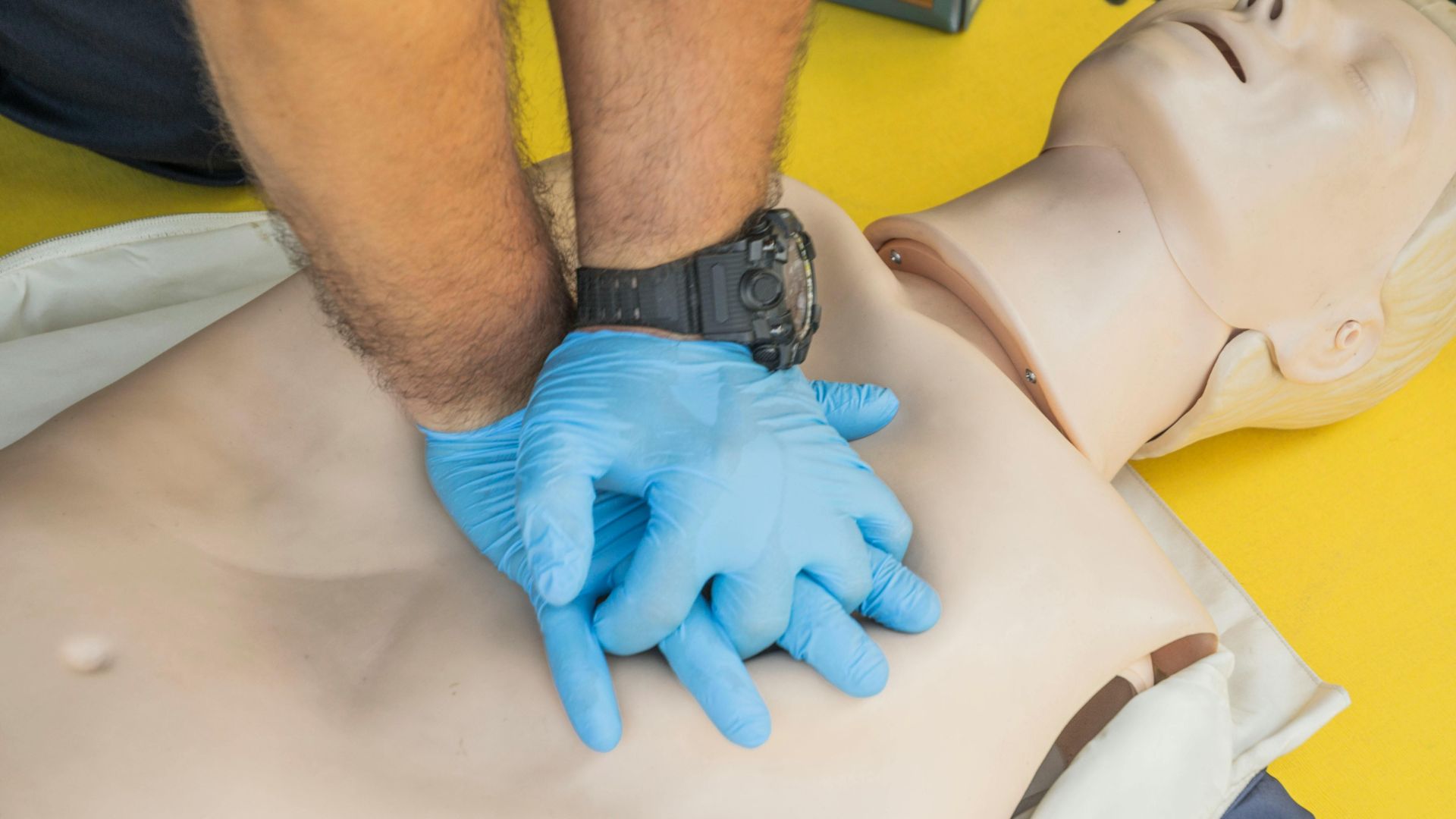
CPR is one of the most valuable life-saving skills a person can have, but it is not something you learn once and never revisit. Whether you are a healthcare professional, teacher, coach, childcare provider, fitness instructor, or simply someone who wants to be prepared for emergencies, maintaining an active CPR certification is essential.
Many people are surprised to discover that CPR certifications expire. Medical research continues to improve emergency care guidelines, and hands-on skills naturally decline without regular practice. Renewing your certification helps ensure that when a real emergency happens, you are ready to respond with confidence.
Through CPR Certification, Denver residents can refresh their knowledge, practice the latest CPR techniques, and maintain the hands-on skills needed to help save lives.
Most CPR Certifications Are Valid for Two Years
For most individuals, CPR certification should be renewed every two years.
The American Heart Association states that course completion cards for its CPR and Basic Life Support (BLS) programs are valid for two years through the end of the month in which they were issued.
Whether you earned certification for your career or personal preparedness, planning for renewal every two years helps ensure your credentials remain active.
Why Does CPR Certification Expire?
Many people wonder why CPR certification is not permanent.
There are several important reasons:
- CPR guidelines continue to evolve.
- AED technology improves over time.
- Emergency response recommendations are updated.
- Practical skills fade without repetition.
Medical organizations regularly review new research to improve patient outcomes. Renewal courses help ensure participants are learning the most current techniques available.
Healthcare Professionals Need Current BLS Certification
Many healthcare careers require active Basic Life Support certification as a condition of employment.
Common professions that typically require current CPR credentials include:
- Registered nurses
- Physicians
- EMTs
- Paramedics
- Medical assistants
- Dental professionals
- Respiratory therapists
- Nursing students
- Physical therapists
The American Heart Association’s BLS Provider Course is specifically designed for healthcare professionals and healthcare students, and successful completion results in a credential that is valid for two years.
Many hospitals and healthcare facilities require employees to renew before their certification expires.
Many Denver Careers Require CPR Renewal
Healthcare workers are not the only professionals who benefit from maintaining active certification.
Many employers require CPR certification for:
- Teachers
- Daycare providers
- Coaches
- Personal trainers
- Lifeguards
- Security personnel
- Construction supervisors
- Workplace safety teams
The American Heart Association’s Heartsaver courses are designed for individuals who need CPR certification for workplace or regulatory requirements and provide credentials that are valid for two years.
CPR Skills Fade Without Practice
Many certified individuals never actually perform CPR after completing their class.
Over time, they may begin to wonder:
- Am I remembering the correct compression depth?
- Would I know how to use an AED?
- Could I stay calm during an emergency?
- Do I remember the proper sequence of steps?
Renewal classes help reinforce these skills through repeated hands-on practice.
Training through CPR Certification allows participants to refresh their abilities before a real emergency occurs.
Hands-On Practice Is One of the Biggest Benefits of Renewal
Reading articles or watching videos can help review CPR concepts, but physical practice builds true confidence.
Renewal classes allow participants to practice:
- Chest compressions
- Rescue breathing
- AED operation
- Choking response
- Emergency scene assessment
Repeated practice helps create muscle memory that can make a tremendous difference during a stressful emergency.
CPR Guidelines Continue to Evolve
Emergency care recommendations are based on ongoing scientific research.
As experts learn more about improving survival outcomes, CPR protocols may be updated to reflect the latest evidence.
Renewal courses help participants stay informed about:
- High-quality compressions
- Compression rates
- Early AED use
- Team-based CPR
- Rescue breathing techniques
Keeping your certification current means you are learning the most up-to-date methods available.
Don’t Wait Until Your Certification Expires
Many people wait until the final days before expiration to schedule renewal.
Planning ahead offers several advantages:
- More scheduling flexibility
- Better class availability
- Less stress
- No interruption in certification status
The American Heart Association notes that course completion cards remain valid through the end of the month in which they were issued.
Scheduling your renewal several weeks early helps avoid unnecessary complications.
CPR Skills Extend Beyond the Workplace
Even if your employer requires CPR certification, the skills you learn can help in many everyday situations.
CPR-trained individuals may one day assist:
- Family members
- Friends
- Neighbors
- Coworkers
- Complete strangers
Many cardiac emergencies happen at home, making CPR one of the most practical life skills anyone can have.
AED Training Is Included in Most Renewal Courses
Automated External Defibrillators are becoming increasingly common throughout Denver.
AEDs are often available in:
- Schools
- Office buildings
- Fitness centers
- Airports
- Community centers
- Sports facilities
- Shopping centers
Most CPR renewal courses include instruction on proper AED operation, helping participants remain comfortable using this important life-saving device.
Flexible Learning Options Make Renewal Easier
Busy schedules can make traditional classroom sessions difficult.
Many CPR providers now offer flexible learning options that combine:
- Self-paced online coursework
- Blended learning programs
- In-person skills verification
The American Heart Association offers multiple training formats while still requiring successful completion of hands-on skills sessions for certification.
These options make it easier for busy professionals and families to maintain active certification.
Maintaining Certification Demonstrates Professionalism
Keeping your CPR certification current reflects a commitment to safety and preparedness.
Active certification demonstrates:
- Responsibility
- Professional development
- Emergency readiness
- Dedication to helping others
Many employers value workers who proactively maintain their credentials rather than allowing them to expire.
Renewal Helps You Stay Ready for the Unexpected
Medical emergencies rarely happen when they are convenient.
Sudden cardiac arrest, choking incidents, drowning emergencies, and severe allergic reactions can occur without warning.
Renewing your CPR certification helps ensure that when an emergency happens, you can respond confidently instead of trying to remember skills learned years earlier.
Final Thoughts About CPR Certification Renewal in Denver
CPR is a life-saving skill that requires regular practice and updated training to remain effective. For most individuals, CPR certification lasts two years and should be renewed before it expires to maintain active credentials and stay current with the latest emergency response recommendations.
Through CPR Certification, Denver residents can refresh their knowledge, strengthen their hands-on abilities, and maintain the confidence needed to respond during real emergencies. Whether you need certification for your career or simply want to help protect your family and community, staying current with your CPR training is one of the smartest investments you can make.
Frequently Asked Questions About CPR Certification Renewal in Denver
How long does CPR certification last?
Most CPR certifications remain valid for two years. American Heart Association course completion cards are generally valid for two years through the end of the month they were issued.
When should I renew my CPR certification?
It is best to renew several weeks before your certification expires to avoid any lapse in credentials.
Does BLS certification expire?
Yes. Basic Life Support certification is typically valid for two years before renewal is required.
Why do CPR certifications need to be renewed?
Renewal helps participants stay current with updated CPR science and maintain practical emergency response skills.
Does CPR renewal include AED training?
Most CPR renewal courses review proper AED operation along with CPR techniques.
Is hands-on practice included during renewal?
Yes. Recognized CPR renewal programs include practical skills sessions that reinforce proper technique and build confidence.
Who typically needs CPR certification?
Healthcare professionals, teachers, childcare providers, coaches, fitness instructors, and many other workers may need active CPR certification for their jobs.
What happens if my CPR certification expires?
If your certification expires, many employers and organizations require you to complete a renewal or new certification course before returning to duties that require an active CPR credential.