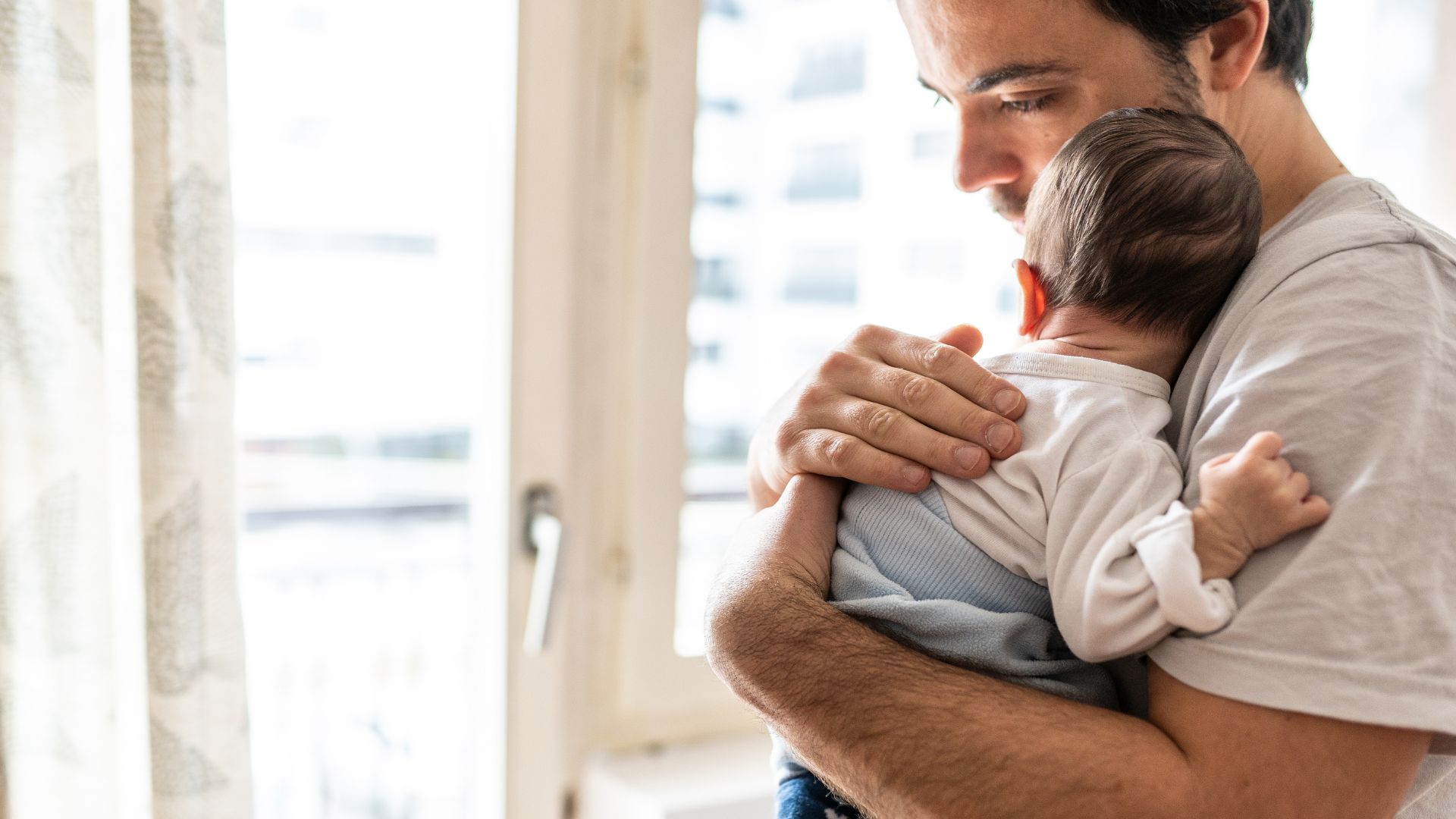
Bringing a newborn home is one of the most exciting and meaningful moments in a parent’s life. Along with the joy of welcoming a new baby comes the responsibility of keeping that child safe and healthy. Newborns are delicate and rely entirely on caregivers to meet their needs and respond quickly if a medical emergency occurs. Learning how to respond during these emergencies can provide parents and caregivers with valuable peace of mind. Completing CPR Certification is one of the most effective ways to prepare for situations where a newborn may stop breathing, choke, or experience a medical emergency.
In Denver, many families participate in infant CPR training as part of their newborn preparation. Hospitals, pediatric clinics, and training centers frequently recommend that parents and caregivers learn infant CPR before bringing a baby home. Because newborns are more vulnerable to breathing emergencies than older children or adults, understanding how to respond quickly can make a life saving difference.
When caregivers know what to do during critical moments, they are better prepared to protect the health and safety of their newborn.
Why Newborn CPR Training Is So Important
Newborns have smaller airways and less developed respiratory systems than older children. This makes them more vulnerable to breathing difficulties and choking incidents. Situations that might seem minor for an adult can quickly become serious for an infant.
Some emergencies that may require infant CPR include:
- Choking on milk or small objects
- Breathing problems or respiratory distress
- Severe allergic reactions
- Sudden loss of consciousness
- Cardiac emergencies
Although these situations are rare, they can happen without warning. When caregivers understand CPR techniques designed specifically for infants, they are better prepared to respond quickly and effectively.
Learning infant CPR through CPR Certification ensures that parents and caregivers understand the correct procedures for helping a newborn during an emergency.
Understanding the Differences Between Infant and Adult CPR
CPR techniques vary depending on the age of the person receiving care. Newborns require special attention because their bodies are much smaller and more delicate.
Infant CPR techniques include:
- Gentle chest compressions using two fingers
- Carefully controlled rescue breaths
- Proper positioning of the baby’s head and airway
- Special procedures for responding to choking
Training programs teach these techniques through hands on practice using infant training mannequins. This allows participants to learn the correct compression depth and rhythm while practicing safe rescue breathing methods.
Completing CPR Certification ensures caregivers understand these specialized techniques and feel confident using them if necessary.
Common Breathing Emergencies in Newborns
Breathing emergencies are among the most serious situations that can affect infants. Because newborns cannot communicate their needs clearly, caregivers must watch for warning signs that something is wrong.
Signs that a newborn may be experiencing breathing difficulties include:
- Blue or pale skin color
- Weak or absent crying
- Unusual breathing patterns
- Difficulty feeding
- Unresponsiveness
If a baby stops breathing or becomes unresponsive, immediate action is necessary. CPR may help restore breathing and circulation until emergency medical professionals arrive.
Recognizing these signs early allows caregivers to respond more quickly during critical moments.
Choking Risks for Infants
Choking is one of the most common emergencies that can affect babies. Infants explore the world using their mouths, and their small airways can easily become blocked.
Common choking hazards for newborns include:
- Milk or formula entering the airway
- Small toys or objects within reach
- Pieces of food once solid feeding begins
- Household items that babies may grab and place in their mouths
Infant CPR courses teach caregivers how to recognize choking and safely clear an infant’s airway using specific techniques designed for babies.
These procedures are very different from those used for adults or older children, which is why proper training is essential.
Why CPR Training Provides Peace of Mind for Parents
Many parents experience anxiety about caring for a newborn, especially during the early weeks after bringing their baby home. Learning CPR can help reduce this anxiety by providing parents with practical knowledge about emergency response.
Knowing how to respond during an emergency helps caregivers feel more confident and prepared.
Parents who complete CPR Certification often report feeling more comfortable caring for their newborn because they understand what to do if something unexpected happens.
Instead of feeling helpless during an emergency, trained caregivers are able to take immediate action.
CPR Training for Families and Caregivers
Infant CPR training is not only beneficial for parents. Anyone who spends time caring for a newborn should consider learning these skills.
Family members who may benefit from training include:
- Grandparents
- Babysitters
- Nannies
- Childcare providers
- Older siblings who help care for the baby
When multiple caregivers understand infant CPR procedures, families can feel more confident that their baby is protected in different situations.
This shared knowledge also ensures that someone nearby is able to respond quickly during emergencies.
CPR Education in Denver for New Parents
Denver has a strong culture of health education and community safety. Many hospitals, pediatricians, and childbirth preparation programs encourage new parents to learn infant CPR before their baby arrives.
Local CPR training providers often offer classes designed specifically for parents and caregivers. These courses typically cover:
- Infant CPR techniques
- Choking response procedures
- Basic first aid for infants
- Safe sleep practices
- Emergency response planning
These programs help families prepare for emergencies while also building confidence in their caregiving abilities.
Completing CPR Certification allows parents to feel more prepared during their newborn’s early months.
Building a Safer Community Through CPR Awareness
When more people understand infant CPR and emergency response techniques, communities become safer places for children and families.
Parents who complete CPR training often share their knowledge with friends, relatives, and other caregivers. This helps spread awareness about infant safety and emergency preparedness.
CPR education programs also encourage families to think about other safety practices such as childproofing homes, recognizing choking hazards, and maintaining emergency contact plans.
By learning CPR and sharing this knowledge with others, families contribute to a safer environment for newborns throughout the community.
Final Thoughts on CPR Training for Newborns in Denver
Caring for a newborn brings incredible joy along with important responsibilities. Because infants are especially vulnerable during medical emergencies, caregivers must be prepared to act quickly if breathing or cardiac problems occur. Learning infant CPR provides the knowledge and confidence needed to respond during these critical situations.
Completing CPR Certification gives parents and caregivers the skills required to recognize emergencies, perform infant CPR, and assist a newborn until professional medical help arrives. In Denver, where many families prioritize health and safety education, infant CPR training is an important step in preparing for life with a new baby.
By learning these lifesaving techniques, parents and caregivers gain the confidence to protect their newborn and respond calmly if an emergency ever arises.
Frequently Asked Questions
Should parents learn CPR before bringing a newborn home?
Many healthcare professionals recommend that parents learn infant CPR before their baby arrives so they are prepared for emergencies.
How is infant CPR different from adult CPR?
Infant CPR uses gentler compressions, two finger techniques, and smaller rescue breaths designed specifically for a baby’s body.
How long does CPR certification last?
Most CPR certifications remain valid for two years before renewal is required.
Who should learn infant CPR?
Parents, grandparents, babysitters, childcare providers, and anyone responsible for caring for a newborn should consider learning infant CPR.